With grid connections, supply chains and construction timelines increasingly constraining data centre growth, Laura Maciosek, Director of Key Accounts at Caterpillar’s Electric Power Division, explains why developers need to start designing around delays rather than waiting for them to disappear.
In many regions, the limiting factor for new data centre capacity isn’t land, capital or demand. It’s time. How quickly can you bring power online?
Growth is surging, driven by AI and large-scale computing. Investment is following. Still, projects are running into all kinds of slowdowns: grid interconnection delays that can stretch for years, supply chain shortages that affect procurement and construction bottlenecks that stall progress on site.
How do you keep projects moving forward when these constraints look like they’re here to stay?
Modular prefabrication and intelligent load management are two practical strategies for bringing power online faster, without compromising performance and reliability. Together, they help developers overcome common project hurdles while creating a foundation for long-term scalability and operational resilience.
Leverage prefabricated modules to get a head start
As data centre developers look for faster, more reliable ways to build and scale, prefabricated, modular power strategies are gaining traction. What makes this moment exciting is how these approaches are evolving from a practical construction method into a smarter, more flexible way to design and deliver power infrastructure.
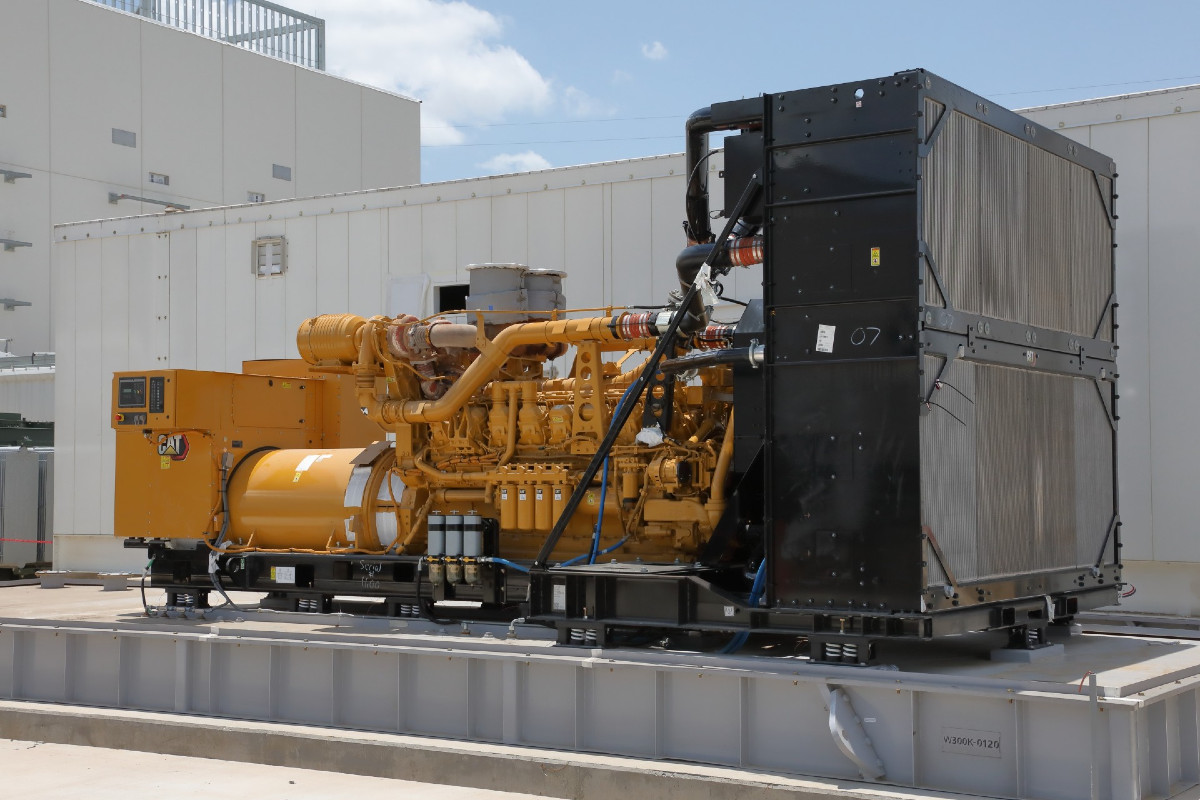
Instead of assembling generators, switchgear and controls in the field, components are built, integrated and tested in a controlled factory environment. What shows up on site is already wired, validated and ready to run. Factory-based production also creates greater consistency and quality control, helping teams reduce risk before equipment reaches the job site.
That allows construction activities to run in parallel. While the site’s being prepped, power systems are in production elsewhere.
Commissioning gets shorter because most of the testing is already done. What used to happen at the end of a project now occurs before the equipment ever ships.
For operators building more than one site, modularity also introduces repeatability. You can deploy standardised designs across sites, making it faster and easier to scale without starting from scratch each time.
Avoid delays by designing for real demand
Intelligent load management ensures that once power is available, it’s allocated efficiently so critical systems run first and projects continue without costly delays. In a data centre, intelligent load management prioritises critical IT and cooling loads when power comes online while staggering secondary systems. If demand spikes, it adjusts lower-priority loads to maintain stable operations and avoid performance slowdowns.
It connects generation, storage and grid supply into a coordinated system that responds to actual use from day one, not assumptions about peak demand.
That coordination also improves how systems operate. Optimised dispatch helps avoid wasted energy, smooth load swings and keep equipment running at its best, all of which reduce the risk of slowdowns when demand changes.
Adapt now for Grid 2035
For data centre operators, this isn’t a future-state discussion. The need for faster deployment is already showing up in project timelines and site planning decisions.
These solutions don’t eliminate uncertainty, but they do give you more control over it, shortening deployment timelines today while preparing sites for whatever the grid looks like next.
The fastest path to power isn’t waiting for constraints to clear. It’s designing around them. Tune into Cat Electric Power’s ‘Speed to Deploy’ webinar for a more in-depth discussion of these next-generation power strategies.