
AI has led to many talking about the cooling and power constraints that face data centres, but Nigel Edwards, Vice President Channel at Western Digital, believes storage will be a bigger part of the conservation in 2026.
Worldwide, the use and generation of information is surging, and data-hungry technologies like AI are amplifying this expansion even further. As the foundation of the digital age and a key enabler of future innovations, these datasets are here to stay. Yet, while their exponential growth unlocks new opportunities, it also brings challenges, especially in how we store, access, and manage them effectively.
As we venture deeper into the AI era, data storage will undergo a period of profound complexity and change. From a renaissance in data centre designs to data-driven homes and advanced smart cities, here’s what the future of storage could look like.
The future of data centres
Data centres are likely to focus even more on resurgence of innovation-led designs that focus on sustainability and efficiency to meet the immense needs of cloud and AI workloads:
The efficient architectural data centre: Already today, facilities are looking for more flexible, high-efficient IT architecture designs. With these considerations in mind, disaggregated storage platforms optimised for AI workflows will experience a renaissance. By separating computing resources and storage, data centres and businesses can unlock new flexibilities and efficiencies at scale, avoiding costly overprovisioning.
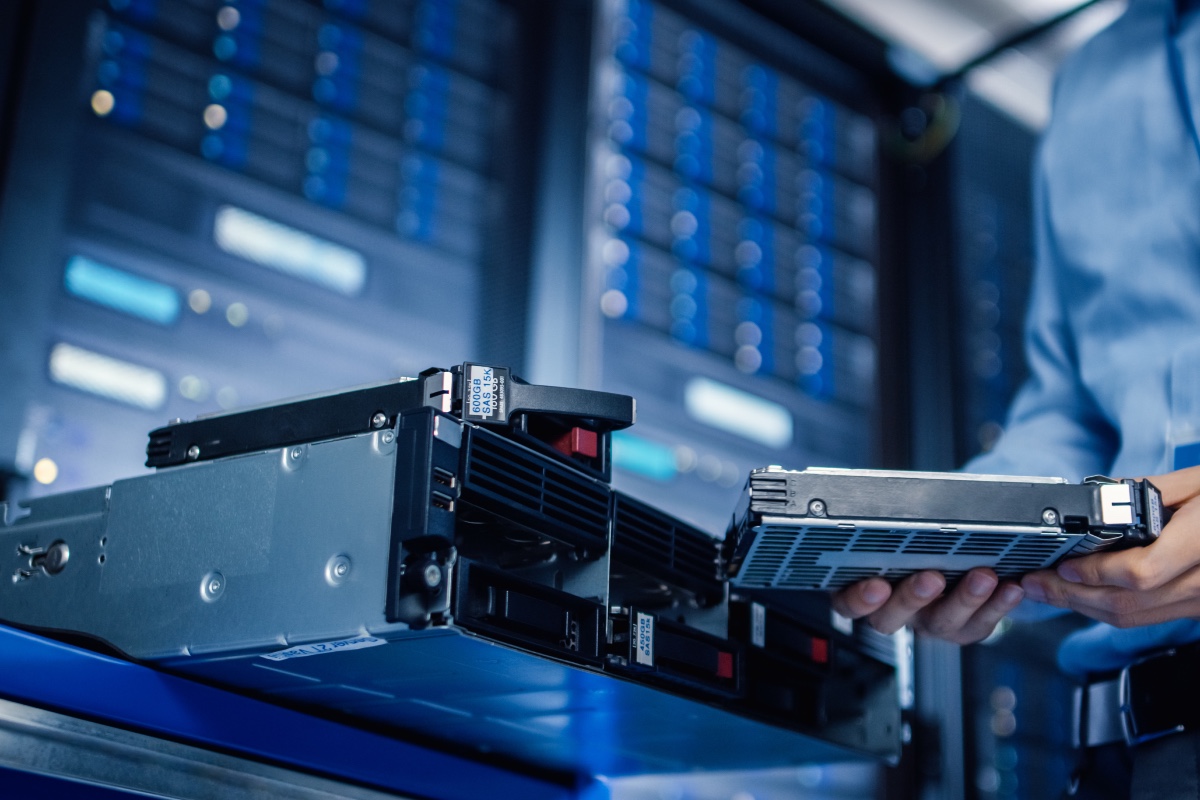
Ultra-high capacity and efficiency: Demand for high-capacity drives will continue to rise. To meet big-data needs, manufacturers are pushing recording technologies and material science to increase capacity within the same 3.5-inch HDD form factor, improving efficiency and total cost of ownership (TCO) at scale. In 2026 and beyond, proven innovations are on a path to deliver over 100 TB per drive by decade’s end, allowing seamless scaling without expanding physical data centre footprints.
A ‘green-by-design’ imperative: Sustainability must extend beyond hardware optimisation. Locational advantages like cooler climates, water access, and renewable energy sources already help achieve long-term environmental resilience. In addition, new urban planning concepts could also integrate data centres into city energy systems, redistributing waste heat for use in public and private spaces.
The future of fun runs on data
AI will transform home entertainment from passive watching to become more immersive, interactive, and adaptive, turning every viewing session into a truly individual experience.
To make this transformation possible, homes will evolve into ‘tiny data centres’ over the next decade. As AI-driven entertainment generates and relies on vast amounts of both unstructured and structured data, homeowners will need greater storage and computing capabilities. This will drive a move toward larger NAS systems and flexible platform solutions, allowing users to seamlessly scale their in-home IT infrastructure according to their personal needs. High-capacity drives will enable home setups to scale effortlessly, providing the backbone for faster, richer, and more personalised digital experiences.
Data storage innovation is just getting started
As the world is racing toward the ‘Yottabyte era’, innovation in storage technology has never been more critical. The explosive data growth driven by AI, ML, and the IoT is pushing manufacturers to look beyond today’s technologies. HDDs are a prime example as vendors are advancing single-drive capacities towards 100TB and beyond. These gains in storage density are powered by new ePMR and HAMR technologies and in the future new next-generation recording technologies like heat-dot magnetic recording (HDMR) are expected to help ensure continued innovation and value for centuries to come.
As data continues to expand and intertwine with every aspect of our lives, the future of storage will be defined by scalability, efficiency, intelligence, and sustainability. From reimagined data centres to autonomous homes and advanced materials, storage is becoming both the backbone and the brain of our digital world.
Closing thoughts
As we approach the Yottabyte era, data storage will undergo significant changes driven by AI, high-capacity innovations, and sustainability efforts. The future will see data centres embracing efficient, flexible architectures while home environments evolve into ‘tiny data centres’ to accommodate the growing demands of AI-powered technologies. Ultimately, the continued advancement of storage technologies will play a pivotal role in shaping a smarter, more sustainable future for both businesses and individuals.
This article is part of our DCR Predicts 2026 series. Come back every week in January for more.