
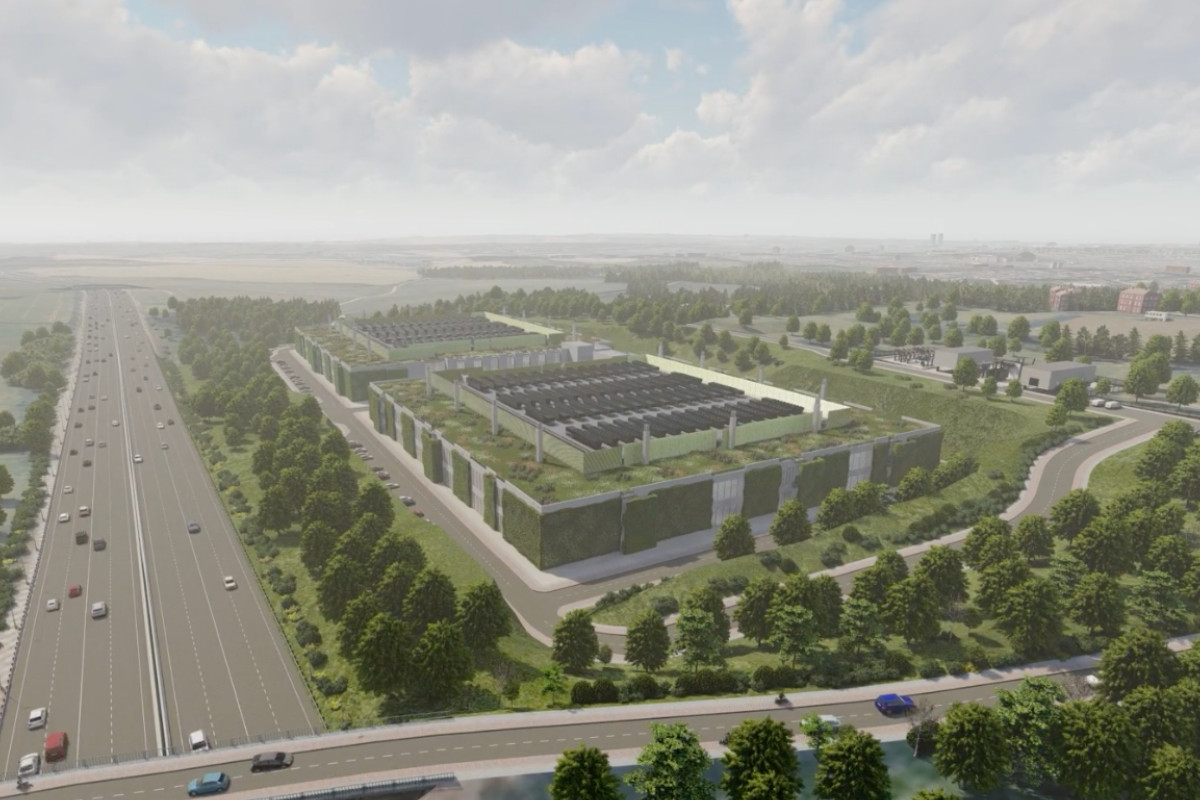
A proposed heat network linked to the planned Abbots Langley data centre has been awarded £40,000 in Government support, as part of a wider community energy funding pot worth £1 billion.
The funding is intended to support plans that could distribute surplus heat generated by the facility to nearby users such as homes, schools and public buildings.
It comes after the data centre development itself, described as a 4,000 sqm scheme on a field by Bedmond Road and the M25, was approved in May 2025, when Angela Rayner overturned a refusal by Three Rivers District Council.
While the data centre is expected to cost around £1 billion, the £40,000 allocation relates specifically to the heat network element, rather than the main build.
What the funding is for
Heat networks can use centrally generated heat and pipe it to multiple buildings, potentially reducing reliance on individual boilers and cutting carbon if the heat source is low-carbon or would otherwise be wasted.
They have regularly been cited as a way for data centre projects to boost their eco-credentials, as well as win public backing. There are also added benefits for data centres, as heat networks can reduce cooling costs and improve operational efficiency by allowing operators to sell waste heat, lowering the energy required for cooling.
While the ongoing costs can be lower, the capital required to actually build a heat network can be significant – one of the many reasons data centre projects in the UK rarely have any attached. Additionally, data centres generate heat year round, while buildings only really need heating in the winter – making them impractical solutions for reducing summer cooling needs for data centres.
A contentious planning decision
The data centre at Abbots Langley will want to do all it can to win public favour, however. The site has been controversial locally, particularly because of its proposed location on green belt land near the village and the M25 corridor. When the development was approved, local leaders pointed to the earlier refusal by the council and argued the benefits to the area were limited.
When the data centre was approved, Three Rivers District Council leader Stephen Giles-Medhurst noted, “Despite the people of Abbots Langley and further afield not welcoming this application and us fighting tooth and nail to protect this green space, both the planning inspector and the Secretary of State believed that the data centre did not constitute inappropriate development in the green belt.”
He added, “In my view, as leader of Three Rivers District Council, there is little gain for the village apart from an extra country park and some low-level employment. What this decision means is putting up with mega warehouse-type buildings across our green belt.”
For the Government, the funding appears to position heat reuse as a potential mitigation measure – taking a by-product of data centre operation and turning it into an asset for local buildings – even as opposition remains focused on land use, scale and the broader precedent set by approving large developments in the green belt. Whether £40,000 of Government cash will go far enough to actually develop a heat network remains to be seen, however.