
Peter Schwartz, Senior Technology Consultant at OryxAlign, explores how operators can use AI, modern cooling, and cleaner power to balance rising compute demand with genuine sustainability progress.
The swift integration of AI in sectors like healthcare and manufacturing has only increased pressure on data centre infrastructure. Energy consumption is high from the outset when training large models, remaining vast after deployment due to inference cycles.
The steady demand for AI adds persistent pressure on facilities. Already, data centres are moving workloads into large-scale cloud platforms (hyperscale) or mixed (hybrid) cloud set-ups. As more activity becomes centralised, power and cooling demands in these facilities grow. This prompts operators to identify solutions that support expansion while meeting sustainability goals.
The search for innovation
Innovative thermal and power handling strategies serve as one answer for operators. These advanced methods act in parallel to align environmental efficiency with increased compute density.
Liquid cooling, for example, which was previously associated with high-performance computing (HPC) deployments, is now used broadly across facilities in thermal management for high-density racks. Systems built with dielectric fluids or direct-to-chip water channels move heat more efficiently than air cooling systems, allowing for higher rack densities and a reduced burden on traditional air-handling units. These methods also make it possible to build compact facilities that need fewer mechanical parts compared to their counterparts.
AI also operates counterproductively, driving much of the sector’s energy demand. Yet, it also supports new smarter thermal controls which help to stabilise conditions and reduce energy consumption in dense compute zones. AI-driven cooling interprets sensor data to adjust environmental conditions in real-time, especially as workload intensity picks up. This approach reduces unnecessary cooling activity, allowing for precise environmental control across the facility, which is especially valuable for AI training zones that experience rapid shifts in thermal loads.
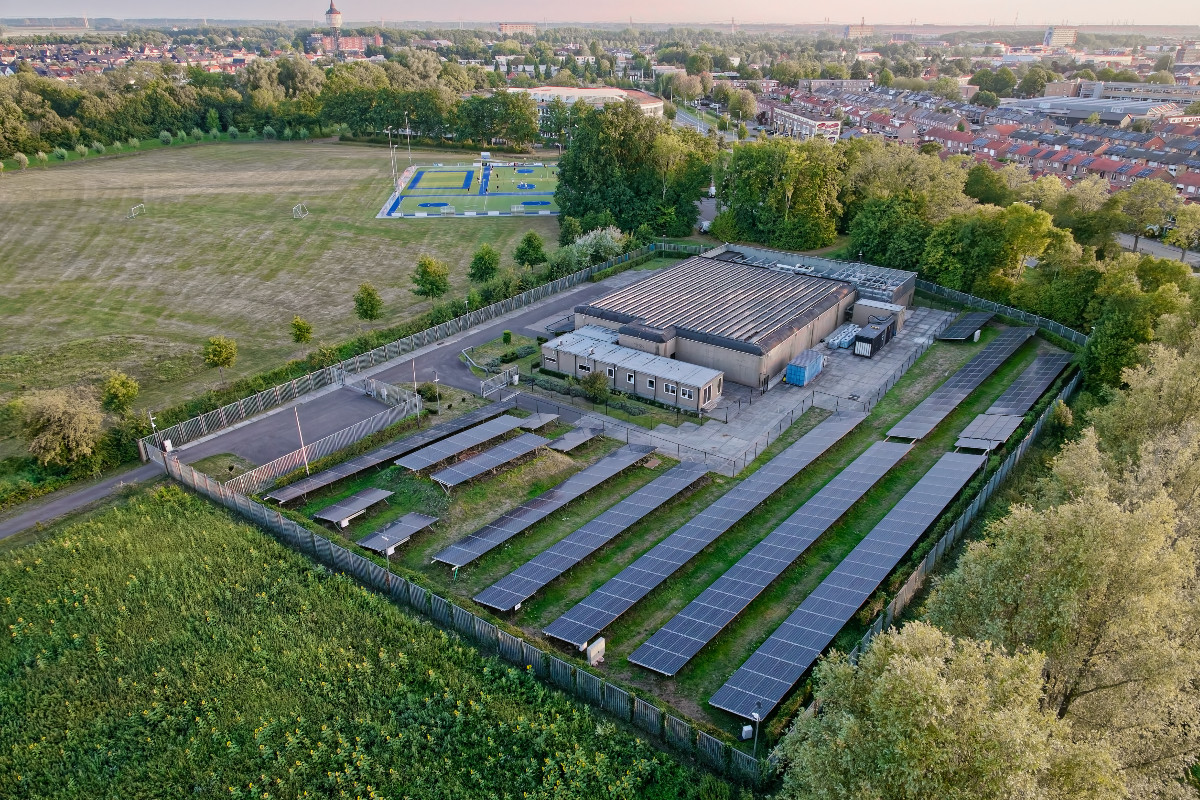
Sustainability gains also hinge on cleaner power sourcing. Power Purchase Agreements (PPAs) support operators in switching to renewable energy sources like solar, wind and hydropower, becoming popular investments to future-proof facilities. Some data centres are now built alongside renewable assets to cut transmission losses and gain clearer insight into their electricity’s carbon profile.
Alongside these strategies, interest has grown in on-site microgrids, battery energy storage systems (BESS) and hydrogen fuel cells. Such innovations provide cleaner power that lowers dependence on legacy grids powered by fossil fuels. But these solutions do not guarantee long-term scalability and viable costs, making them harder to access, especially for smaller organisations with less land and capital compared to hyperscale providers.
Driving change through cloud
Major cloud companies also influence sustainability efforts across the sector. Microsoft and Amazon Web Services operate at a scale that places them among the world’s largest electricity users, but it also positions them as prominent low-carbon advocates. Their procurement models, certification pathways and carbon neutrality commitments are setting expectations across the sector, for both colocation partners and new policy discussions.
These providers encourage transparency and accountability through open-source design work and shared framework promotion. Efforts like carbon-aware computing, where workloads shift to periods or regions with cleaner energy, indicate a move towards more digital infrastructure tuned for sustainable performance.
However, this progress from hyperscalers emphasises a divide across the industry. Since larger businesses secure large renewable energy agreements and invest in specialised cooling systems at a pace smaller businesses cannot match, sustainability becomes a competitive differentiator, rather than a common baseline to aim for.
Legacy over longevity
Progress towards a sustainable future and data centre expansion is also limited by the existing infrastructure. Many regions operate with legacy grids that are not equipped to support current growth patterns, and new grids face installation delays because of regulatory processes or aging network capacity. Such constraints have already led to development delays in countries like Ireland, where the gap between digital expansion and physical systems lies exposed.
Financial pressures also shape progress. While green technologies offer lower long-term expenses, the upfront spend for retrofits and renewable power agreements or advanced cooling is high. Cost differentiators are most notable in regions that focus on price/performance when making procurement decisions, because operators in these markets work with tight margins and limited incentives which outweigh the long-term gains.
These global differences only increase friction. Regions with cheaper carbon-intensive electricity or limited regulatory policies see fewer reasons to commit to sustainable upgrades, which produces uneven progress instead of a unified movement within the sector.
What comes next?
A future driven by green data centres depends on coordinated progress. Utility managers and grid operators need plans aligned with policymakers, and manufacturers that work closely with cloud architects to ensure data centres can grow while minimising environmental impact.
Innovations must also coexist with these changes. Hardware and facility design must be combined with software that can steer workloads, with increased value placed on accurate responses to environmental conditions. Demand for AI in these scenarios will increase, however it also offers tools that will support more efficient energy use and flexible load management.
We need green data centres for a digital economy aiming to grow without intensifying climate pressures. It’s a multifaceted route to sustainable development, but with shared commitment and targeted design and innovation, operators are given a realistic way forward.