
Adhum Carter Wolde-Lule, Chief Strategy Officer at Prism Power Group, explores how rising AI-driven demand is exposing grid constraints, and why SMRs could become a long-term route to reliable, low-carbon power for data centres.
The rise of artificial intelligence and high-density computing is driving an extraordinary surge in data centre power consumption worldwide. Each new generation of AI models requires more computational capacity, and therefore more electricity, than the last.
Globally, data centre energy use is expected to jump from around 460 TWh in 2022 to more than 1,000 TWh by 2026. In the UK alone, data centres already account for 1-2% of national electricity demand, a figure set to climb sharply as AI workloads ramp up.
This accelerating demand is putting intense pressure on already stretched power grids. In regions such as West London, capacity constraints are so severe that new developments have been told to expect no grid connection until the mid-2030s. As a result, power availability has become the number one concern for data centre operators, with more than 90% of industry professionals reporting it as a top challenge.
The central dilemma is clear: how can data centres guarantee 24/7 uptime while meeting environmental commitments, when neither existing grid infrastructure nor intermittent renewable energy can fully meet their needs?
AI, cloud and high-performance computing facilities often require hundreds of megawatts of constant power, they require the same energy as a small city. Grid operators around the world are struggling to cope.
Data centres cannot tolerate power interruptions, ensuring round the clock reliability is non-negotiable, yet renewable energy sources such as wind and solar are inherently variable. Battery storage can smooth short-term fluctuations, but even the best systems today only provide several hours of firm supply.
This has left many facilities dependent on diesel generators for emergency coverage, an arrangement that is both environmentally damaging and inconsistent with corporate net zero strategies. The growing gap between intermittent renewable generation and constant data centre demand is forcing operators to look for alternative, dependable sources of clean power.
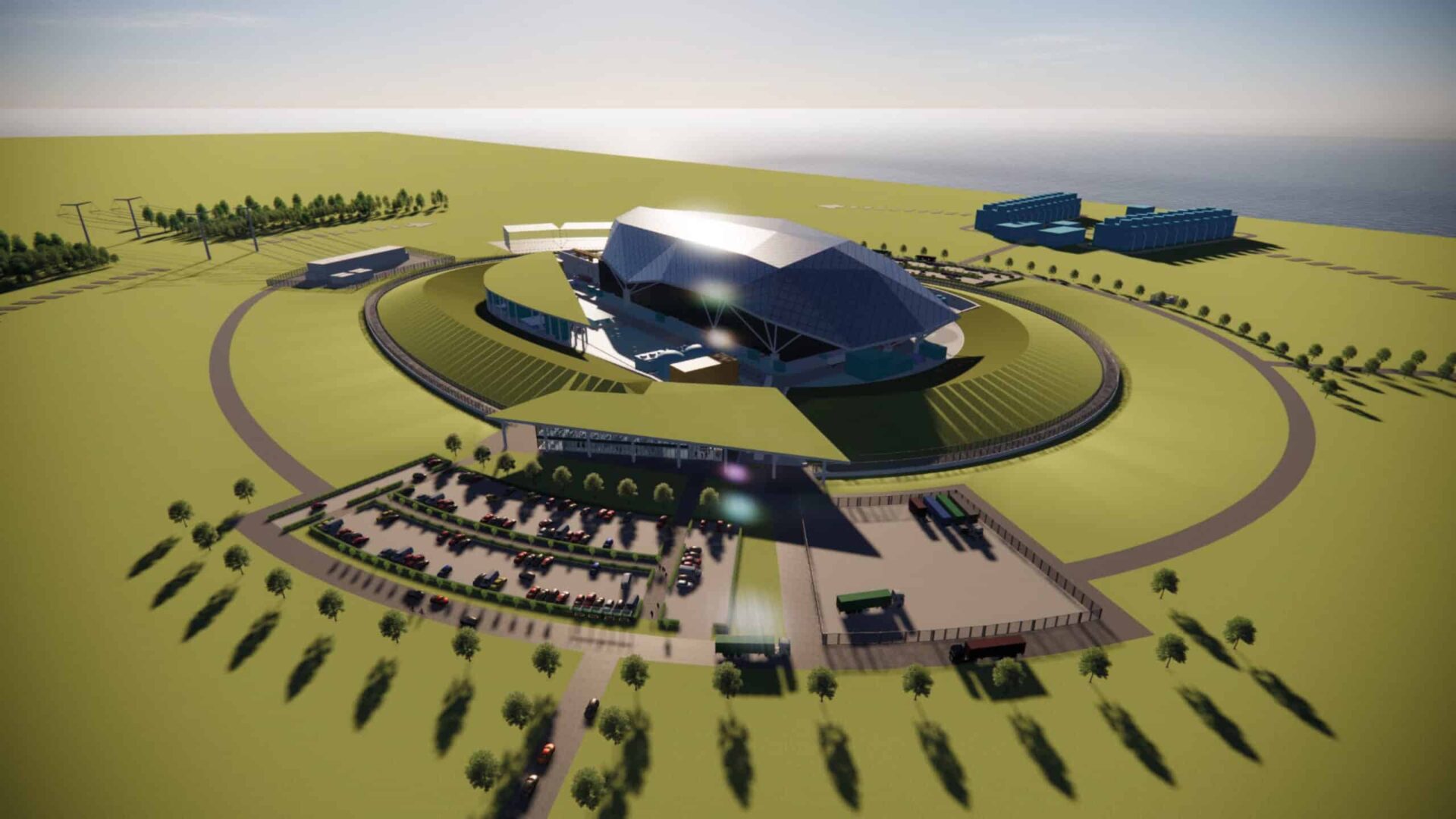
One technology drawing increasing attention is nuclear power and specifically, Small Modular Reactors (SMRs). Unlike traditional gigawatt-scale nuclear plants, SMRs are designed to be built in factories, transported in modules and assembled on site. Most designs fall in the 50-300 MW range, making them far more flexible and suitable for industrial campuses.
SMRs offer a rare combination of carbon-free energy, a compact footprint and the ability to provide continuous baseload power at very high-capacity factors.
They can be located close to where power is consumed, potentially even adjacent to large data centre clusters, reducing reliance on strained regional grids and cutting transmission losses.
Tech giants are already positioning themselves for a nuclear-powered future. Amazon Web Services has invested in an SMR developer and is acquiring a nearly 1GW nuclear campus to support its cloud operations. Microsoft has hired nuclear specialists and agreed to procure power from the restart of the Three Mile Island reactor. Google has committed to using power from six planned SMRs by 2030. Large colocation providers like Equinix and Switch have also signed agreements with microreactor developers.
The UK government aims to play a leading role in the global SMR market. In 2025, through its Great British Nuclear initiative, the Government selected the Rolls Royce SMR which is a 470 MW modular reactor. Backed by £2.5 billion of funding, the ambition is to deploy at least three reactors by the middle of the next decade, forming a foundation for a revived domestic nuclear industry.
For data centre developers, SMRs offer the possibility of stable, clean baseload power that can be positioned close to major AI hubs.
However, major hurdles remain. Nuclear projects, regardless of size, must undergo rigorous safety, regulatory and planning processes, which means long lead times. With the first reactors not expected until the mid-2030s, SMRs cannot solve today’s capacity crunch.
Despite these challenges, the UK risks falling behind if it does not move quickly. Other countries are already advancing SMR programmes, and delays could push deployment further into the 2040s. Because SMRs are a long-term solution, data centre operators must focus on bridging the gap between today’s energy constraints and tomorrow’s nuclear options.
The first priority is improving efficiency. Advances such as liquid and immersion cooling, smarter workload scheduling and more efficient chip designs can significantly reduce power needs, easing pressure on both grids and on-site systems.
Next is building on site energy resilience. Many operators are investing in solar arrays, large-scale batteries, gas turbines and fuel cells to reduce grid reliance.
The industry should also engage in early-stage partnerships to test emerging technologies, including microreactors, advanced geothermal or hydrogen ready systems. Power purchase agreements for existing nuclear or hydroelectric energy can also immediately strengthen sustainability and reliability.
AI is reshaping global energy demand faster than traditional infrastructure can adapt. The combination of unprecedented loads, strict uptime requirements and sustainability targets means data centres must rethink how they source power. SMRs represent a promising long-term answer of clean, stable and deployable close to the point of use. But they will not arrive in time to solve immediate constraints.
Over the next decade, data centre operators will need a blend of efficiency gains, renewable integration, on site generation and strategic planning, while preparing to take advantage of nuclear technologies as they mature.
Those who combine near term pragmatism with long term vision will be best positioned to deliver the reliable, sustainable, always on digital infrastructure that the AI era demands.