
Jon Healy, Regional Strategic Operations Officer at Salute, explores how grid constraints, high-density design, and operational readiness are shifting advantage between hyperscalers and mid-sized operators.
AI is forcing markets to rethink operations and strategies that have cemented over decades, and data centres are no exception. The infrastructure underpinning these powerhouses is being placed under the microscope, as approaches to how facilities are planned, built and operated go through enormous transformation. As AI workloads continue to surge, hyperscalers and mid-sized operators are under their own pressures to meet demand, each with distinct strengths and limitations. So, who is now best placed to serve the market?
Hyperscalers secure vast areas of land, giving them an edge when it comes to locking in long-term power strategies and investing heavily in GPU supply chains. Mid-sized operators, meanwhile, can often move faster and adapt more readily. The true battleground extends beyond scale alone. Competitive advantage in today’s market is increasingly dependent on factors like power availability, grid resilience and operational readiness.
The question is no longer who can build the biggest facilities the fastest, but who can adapt to match the demand from AI today – and that which is still to come.
Redefining infrastructure requirements
AI’s infrastructure requirements, from direct liquid cooling to high-density power distribution, are stretching both models. The UK’s digital ambitions are running up against physical limitations, and without upgrades, the country risks hitting a ceiling on its ability to scale.
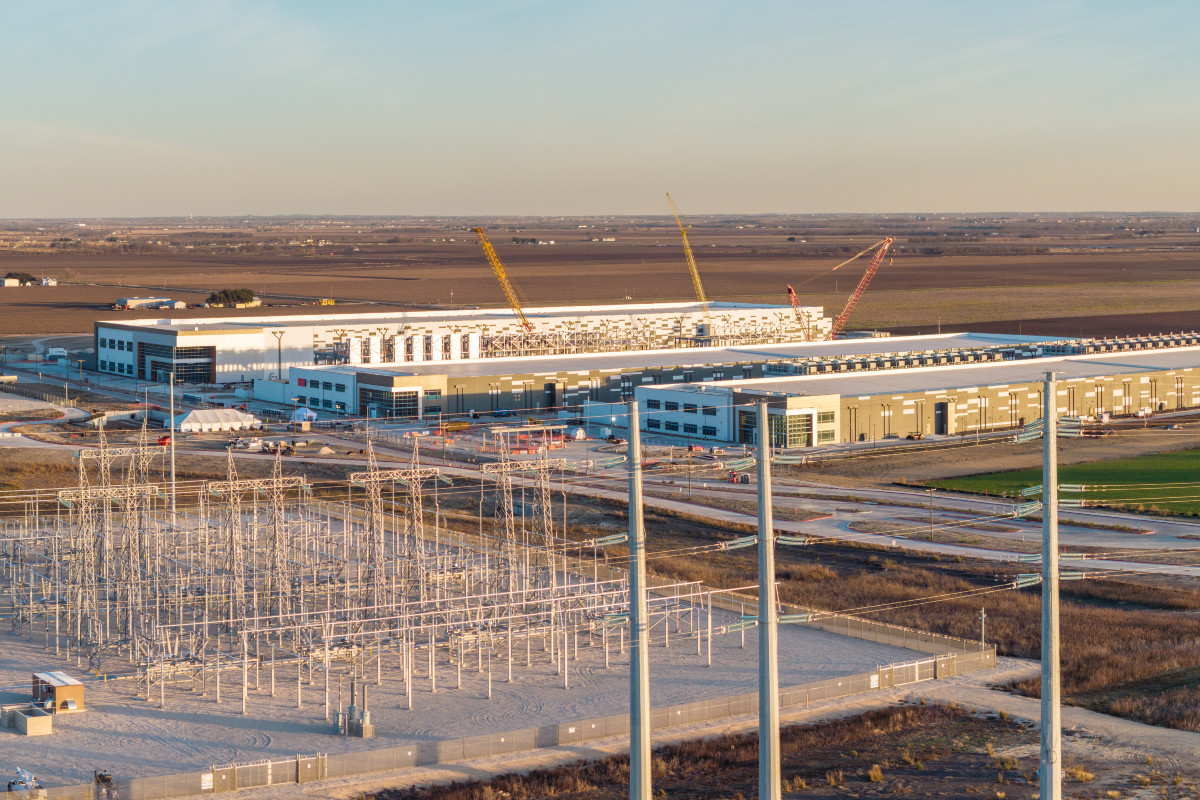
Grid constraints are already a consequence of limited capacity and long lead times for new connections. Some providers report that greater power availability in high-demand areas like London and the South East may not be available until 2035 or later.
Planning delays and ongoing uncertainty around energy availability are also slowing the development of new data centres. More broadly, it’s clear the UK lacks a coordinated national strategy for digital infrastructure, unlike some global peers. The UK could become a net importer of compute, outsourcing both innovation and control to more established markets. The rise of ‘sovereign AI’, and the regulatory implications that come with it, is adding another layer of complexity – potentially shifting influence away from global hyperscalers and towards locally governed operators that can align with national priorities.
The pressure is intensifying
Investor expectations, sustainability metrics and workforce readiness will determine which business models can scale AI infrastructure responsibly – and at the pace demanded by the market. A recent article suggested that around £2.2 trillion will be spent worldwide on data centres to support AI between now and 2029 – roughly comparable to the size of the French economy in 2024. In the UK, some forecasts suggest around 100 new data centres could be built over the next few years to meet demand for AI processing.
Scaling at this speed requires a skilled workforce to run increasingly complex environments. Yet the industry is already facing a shortage of experienced operators, and the AI boom is intensifying competition for talent. Providers are struggling to ramp up commissioning resources fast enough, while training cycles that normally take months are being compressed – raising the risk of errors and inconsistent standards. Recruitment now requires not just hiring, but rapid onboarding and structured training that can keep pace with operational change.
Under this mounting pressure, perhaps the biggest challenge for operators of all sizes is balancing the rapid rollout of AI-ready infrastructure with critical sustainability commitments. This is accelerating interest in modular approaches, advanced cooling technologies and renewable energy procurement – alongside greater focus on efficiency, water use and reporting.
Adapt to survive and thrive
The AI boom is less a sprint and more an endurance test for data centre operators. Hyperscalers bring global reach and scale, but that scale can limit responsiveness when infrastructure constraints and regulatory pressures demand flexibility. Standardisation, once a strength, can become friction if it slows adaptation to local conditions. Mid-sized operators can be better positioned to respond quickly, but they face their own constraints – securing talent, evidencing sustainability performance and differentiating in a crowded market.
Ultimately, success is likely to favour operators that can combine resilient operations, realistic delivery timelines and sustainable growth into a coherent model – while navigating grid constraints and rising customer expectations.